
ARTICLES by DR. JAMES GREENBLATT

New Insights On Nutritional Lithium and Eating Disorder Recovery
Eating disorders don’t just disrupt mental health—they wreak havoc on the body’s metabolic systems, making physical recovery a slow and difficult process. Emerging research suggests that lithium may influence biological pathways involved in metabolic adaptation and recovery for individuals recovering from eating disorders.

The Role of Nutritional Lithium in Preserving Memory as We Age
While some degree of cognitive change is considered a normal part of aging, significant memory decline is not inevitable. Lifestyle factors, nutrition, physical activity, sleep, chronic stress, and emerging nutritional interventions all influence how well the brain ages.
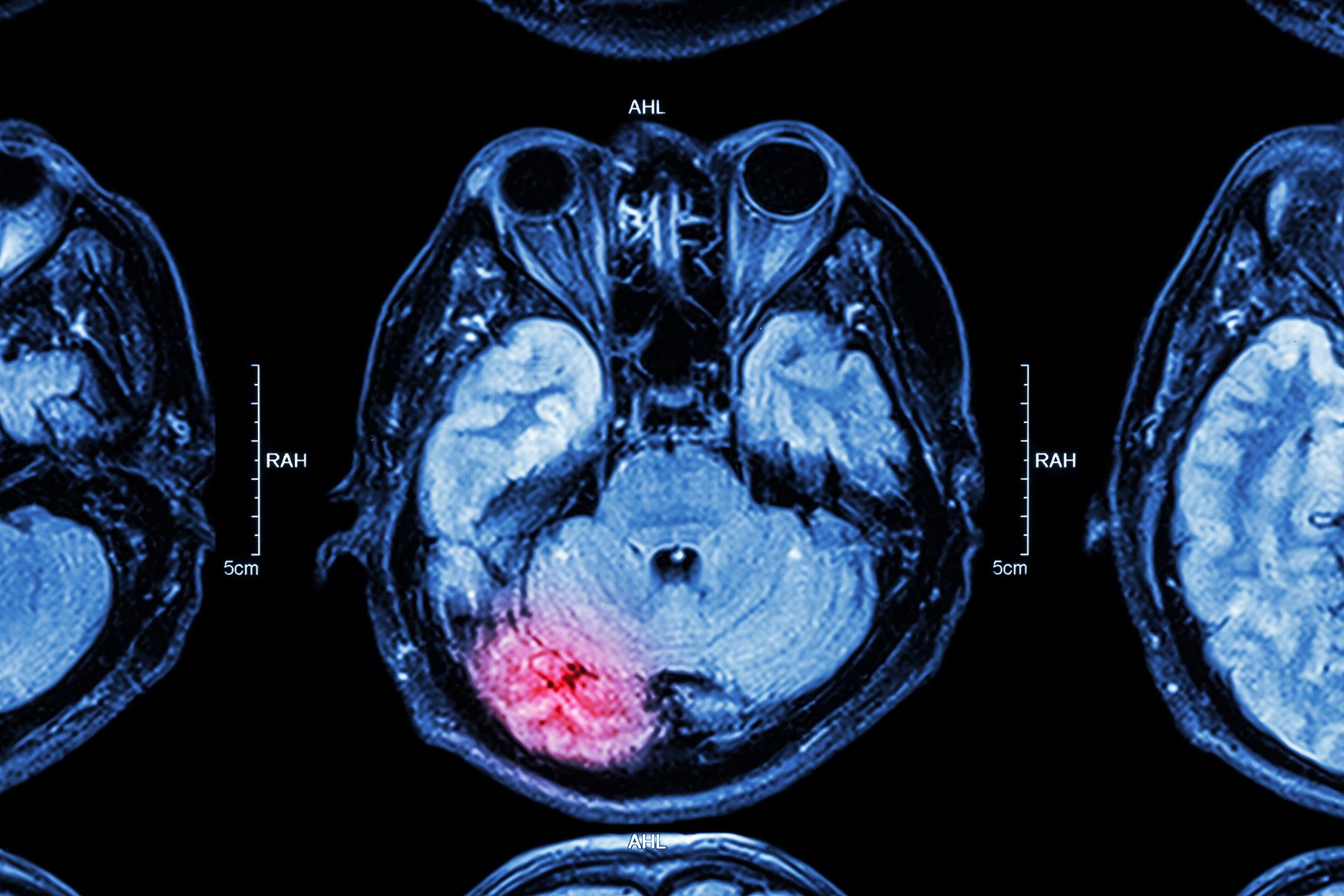
Low-Dose Lithium & Traumatic Brain Injury: Exploring Neuroprotection Through the HILL Framework
Recovery from traumatic brain injury (TBI) extends well beyond the initial impact. Following a concussion or other head injury, the brain initiates a complex biological response involving changes in cellular metabolism, inflammation, oxidative stress, mitochondrial function, neuronal signaling, and neuroplasticity.

Beyond the Impact: Understanding the Biology of Concussion Recovery
Mental health symptoms are common after traumatic brain injury (TBI), including mild TBI, or concussion. Depression, anxiety, irritability, emotional changes, sleep disruption, and posttraumatic stress symptoms can occur after injury, often alongside persistent cognitive and physical symptoms.

Polyphenols & the Biology of Concussion Recovery
A concussion triggers more than a neurological response. Nutrition provides the energy, substrates, and cofactors the body needs after a traumatic brain injury (TBI). Researchers have studied certain bioactive compounds found in plants for their effects on pathways involved in inflammation, oxidative balance, mitochondrial function, vascular biology, and cellular defense. This is where a multi-polyphenol approach becomes relevant.