
ARTICLES by DR. JAMES GREENBLATT

The Protective Role of Nutritional Lithium Against Alzheimer’s
Every year, millions of families are affected by Alzheimer’s disease—a progressive neurodegenerative disorder that slowly erodes memory, thinking, independence, and quality of life. Despite decades of research and billions of dollars invested in drug development, effective treatments remain limited. As a result, attention is increasingly turning to prevention and the biological factors that may influence long-term brain resilience before significant cognitive decline begins. One factor receiving increasing scientific attention is nutritional lithium.

The History of Nutritional Lithium: From Ancient Healing Springs to Modern Functional Medicine
For centuries, people sought out mineral-rich springs believed to calm the mind, restore emotional balance, and support overall well-being. Long before lithium was identified as an element, people associated its presence in natural waters with restorative effects. Today, natural lithium is being reconsidered—not only through the lens of psychiatry, but also as a trace mineral with potential relevance for brain health, resilience, and healthy aging.

Rethinking Nutritional Lithium as a Vital Micronutrient for Mental Wellness
Some scientists now propose that nutritional lithium may function as a biologically important micronutrient that supports mood regulation, cognitive health, neuroplasticity, and long-term brain resilience. As research evolves, nutritional lithium may be recognized not only for its therapeutic applications but also for its role in overall well-being.

Exploring Nutritional Lithium’s Role in Cellular Aging and Lifespan
Aging is inevitable, but how we age is increasingly being understood as something we can influence. Every day, our cells battle oxidative stress, inflammation, and genetic wear and tear. Over time, these forces compromise cellular function, leading to tissue degeneration, cognitive decline, and an increased risk of age-related diseases. Could nutritional lithium be an overlooked micronutrient for cellular longevity?

New Insights On Nutritional Lithium and Eating Disorder Recovery
Eating disorders don’t just disrupt mental health—they wreak havoc on the body’s metabolic systems, making physical recovery a slow and difficult process. Emerging research suggests that lithium may influence biological pathways involved in metabolic adaptation and recovery for individuals recovering from eating disorders.

The Role of Nutritional Lithium in Preserving Memory as We Age
While some degree of cognitive change is considered a normal part of aging, significant memory decline is not inevitable. Lifestyle factors, nutrition, physical activity, sleep, chronic stress, and emerging nutritional interventions all influence how well the brain ages.

Why Magnesium Matters In ADHD
ADHD is often viewed through the lens of neurotransmitters, such as dopamine and norepinephrine—and for good reason. These chemical messengers help regulate attention, motivation, executive function, and impulse control. Magnesium supports more than 300 biochemical reactions and contributes to many processes involved in brain and nervous system function.
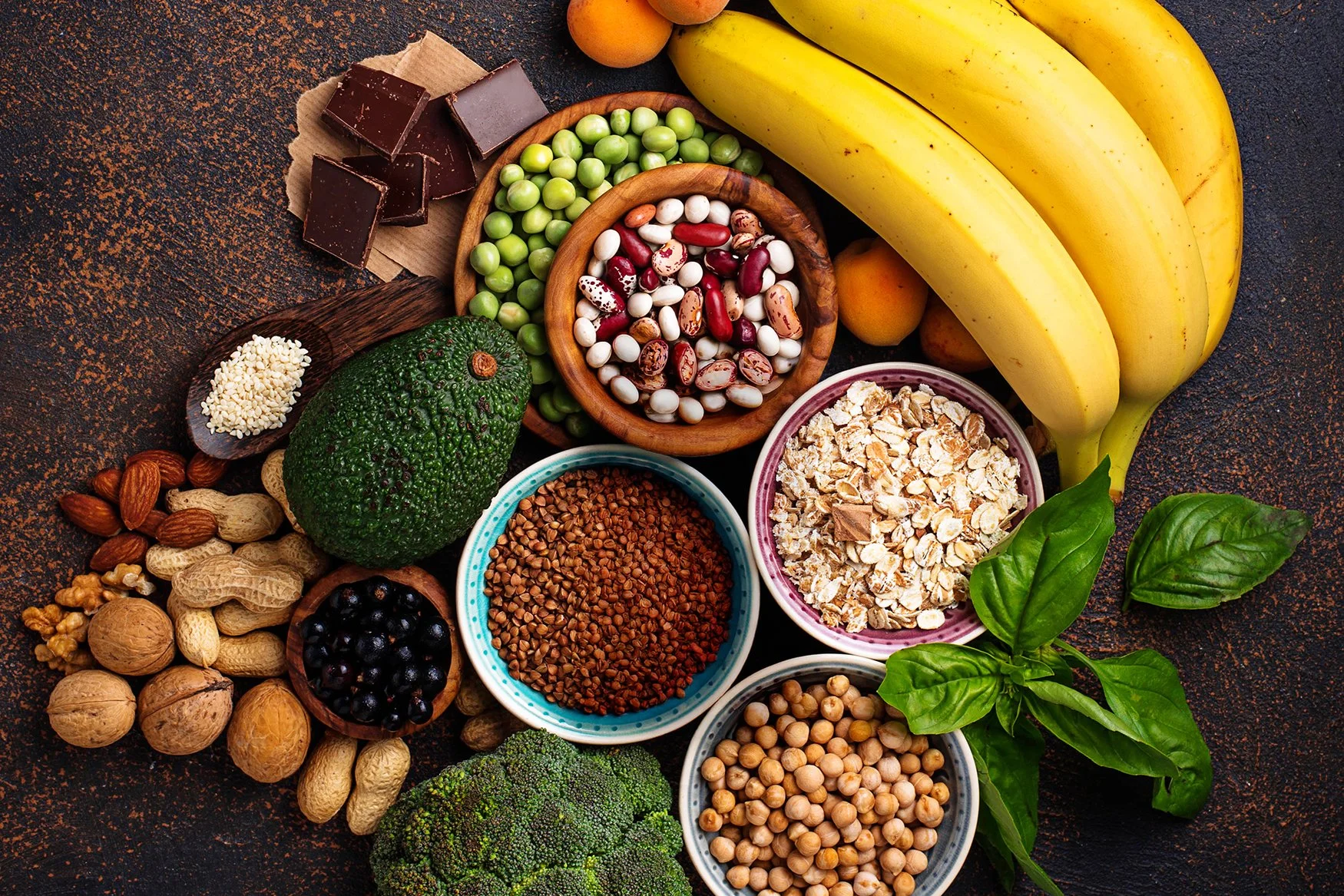
Magnesium, Sleep, Gut Health, and Emerging ADHD Research
Magnesium insufficiency may occur for many reasons, including inadequate dietary intake, chronic stress, medication effects, gastrointestinal dysfunction, or increased physiological demand. Because magnesium supports multiple pathways related to brain and body function, researchers continue to explore its role in broader approaches to optimizing cognitive health.

L-Theanine & ADHD: Exploring Emerging Research
Theanine, a naturally occurring amino acid found in tea leaves, has been studied for its effects on attention, cognitive performance, stress, and sleep. Research shows that it, when combined with caffeine, may improve symptoms associated with ADHD.
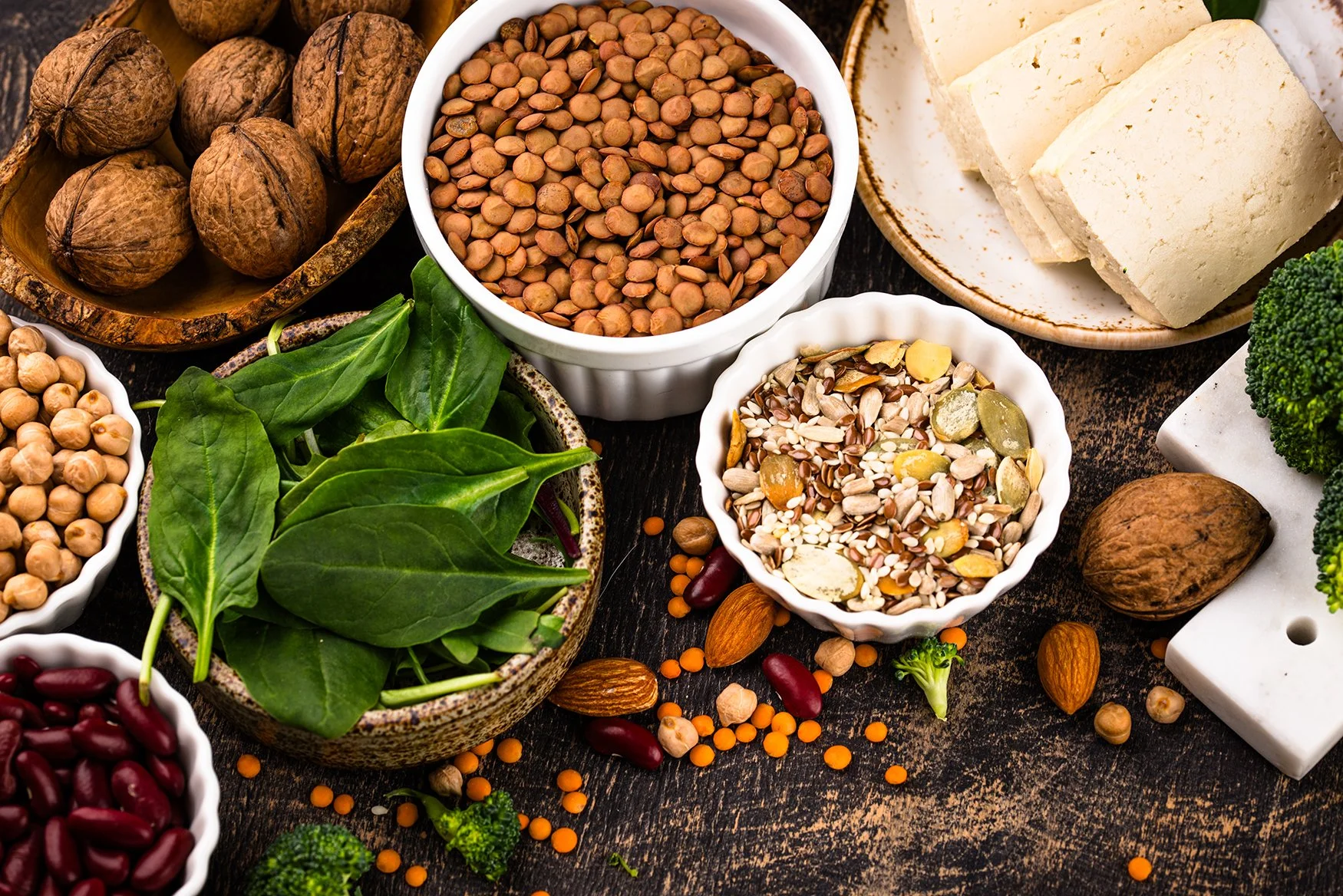
Iron & ADHD: the Biochemical Connection
When we think about ADHD, we often think about brain chemistry, particularly dopamine. Brain chemistry depends on the body’s nutritional and metabolic environment. The brain needs the right raw materials to make dopamine and support healthy cellular function—iron is one of them.
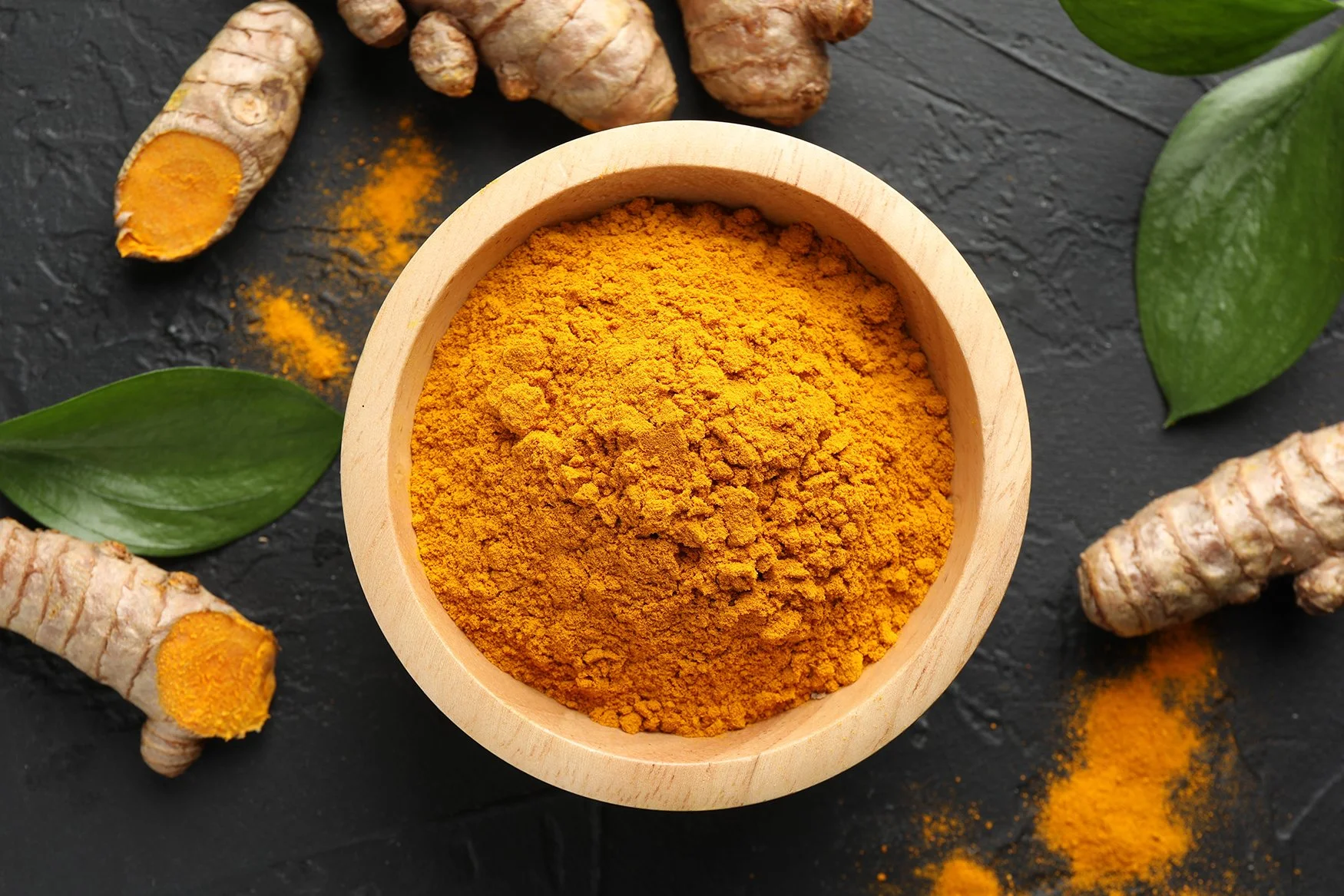
Polyphenols & the Biology of Concussion Recovery
A concussion triggers more than a neurological response. Nutrition provides the energy, substrates, and cofactors the body needs after a traumatic brain injury (TBI). Researchers have studied certain bioactive compounds found in plants for their effects on pathways involved in inflammation, oxidative balance, mitochondrial function, vascular biology, and cellular defense. This is where a multi-polyphenol approach becomes relevant.
Supplements, Nutritional Deficiencies, and the Need for Better Education
Read Dr. James Greenblatt’s response to the recent New York Times article examining Americans’ widespread use of supplements.